
Sustainability in the supply chain is no longer just a PR talking point; it is a procurement requirement. In 2026, major enterprise buyers are auditing their vendors based on strict ESG (Environmental, Social, and Governance) criteria. Logistics providers that cannot demonstrate a roadmap to carbon neutrality are being systematically cut from Tier-1 contracts. The shift is clear: “Green” is now synonymous with “Compliant.”
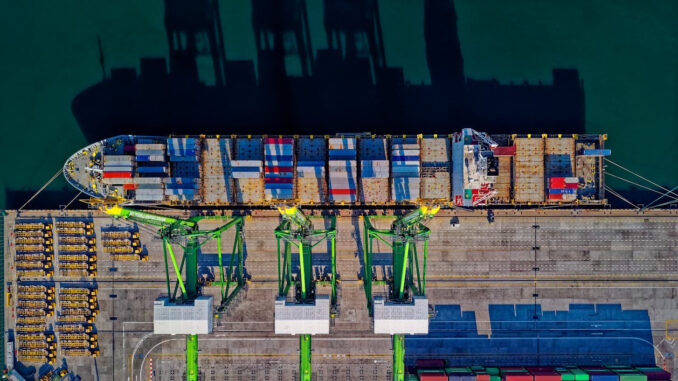
The Maritime Fuel Shift The shipping industry, traditionally a heavy polluter, is undergoing a radical retrofit. We are seeing a mass transition from heavy fuel oil (HFO) to Liquefied Natural Gas (LNG) and methanol-powered vessels. While hydrogen fuel cells remain in the prototype phase for trans-oceanic travel, these transitional fuels are reducing sulfur emissions by up to 99%. For the end-client, this means a lower “Scope 3” emission report, which is critical for meeting regulatory targets in the EU.
Route Optimization as a Carbon Strategy The most immediate gains, however, are digital. AI-driven route optimization tools are now standardizing “Eco-Routing”—prioritizing fuel efficiency over pure speed for non-urgent cargo. By using predictive analytics to avoid weather systems and port congestion, fleets can reduce fuel consumption by 15-20%. This is the “low-hanging fruit” of sustainable logistics: saving money and saving carbon simultaneously.
Conclusion The era of “fast at any cost” is ending. The modern supply chain manager must solve a new equation: speed, cost, and carbon. Those who invest in green tech today are future-proofing their operations against the inevitable carbon taxes of tomorrow.