
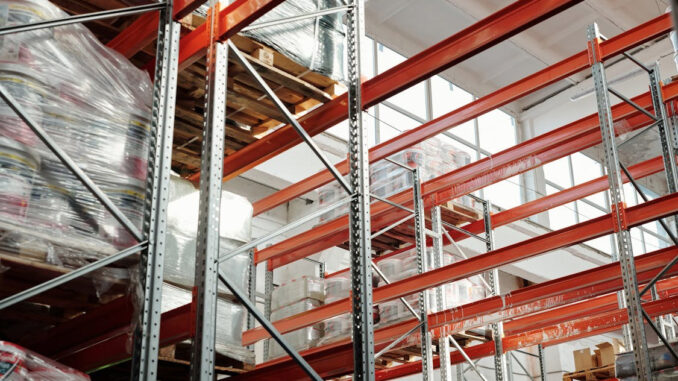
The image of the fully autonomous “dark warehouse” (with zero human workers) is still largely a myth. The reality of 2026 is far more pragmatic: the era of the “Cobot” (Collaborative Robot). As labor shortages in the logistics sector continue to plague global supply chains, warehouse managers are turning to hybrid automation solutions that augment, rather than replace, human workforces.
Augmentation vs. Replacement Modern Cobots are designed to handle the “heavy lifting”—literally. Automated Guided Vehicles (AGVs) now handle 80% of pallet movements in Tier-1 distribution centers, leaving human workers to focus on complex tasks like quality control and irregular packing. This division of labor has reduced workplace injury rates by 35% year-over-year while increasing throughput velocity. The ROI on these units has dropped to under 18 months, making them accessible even to mid-sized 3PL providers.
The WMS Integration Challenge The hardware is ready, but the software is the bottleneck. The challenge for 2026 is integrating these robotic fleets with legacy Warehouse Management Systems (WMS). A robot that cannot communicate in real-time with the central inventory database is just an expensive obstacle. Successful implementation requires a robust “middleware” layer that translates WMS orders into robotic coordinates instantly.
Conclusion Automation is no longer a luxury; it is a survival mechanism. With e-commerce volume stabilizing at post-pandemic highs, the warehouses that rely solely on manual picking are seeing their margins eroded by inefficiency. The future belongs to the hybrid facility: smart, safe, and semi-automated.